
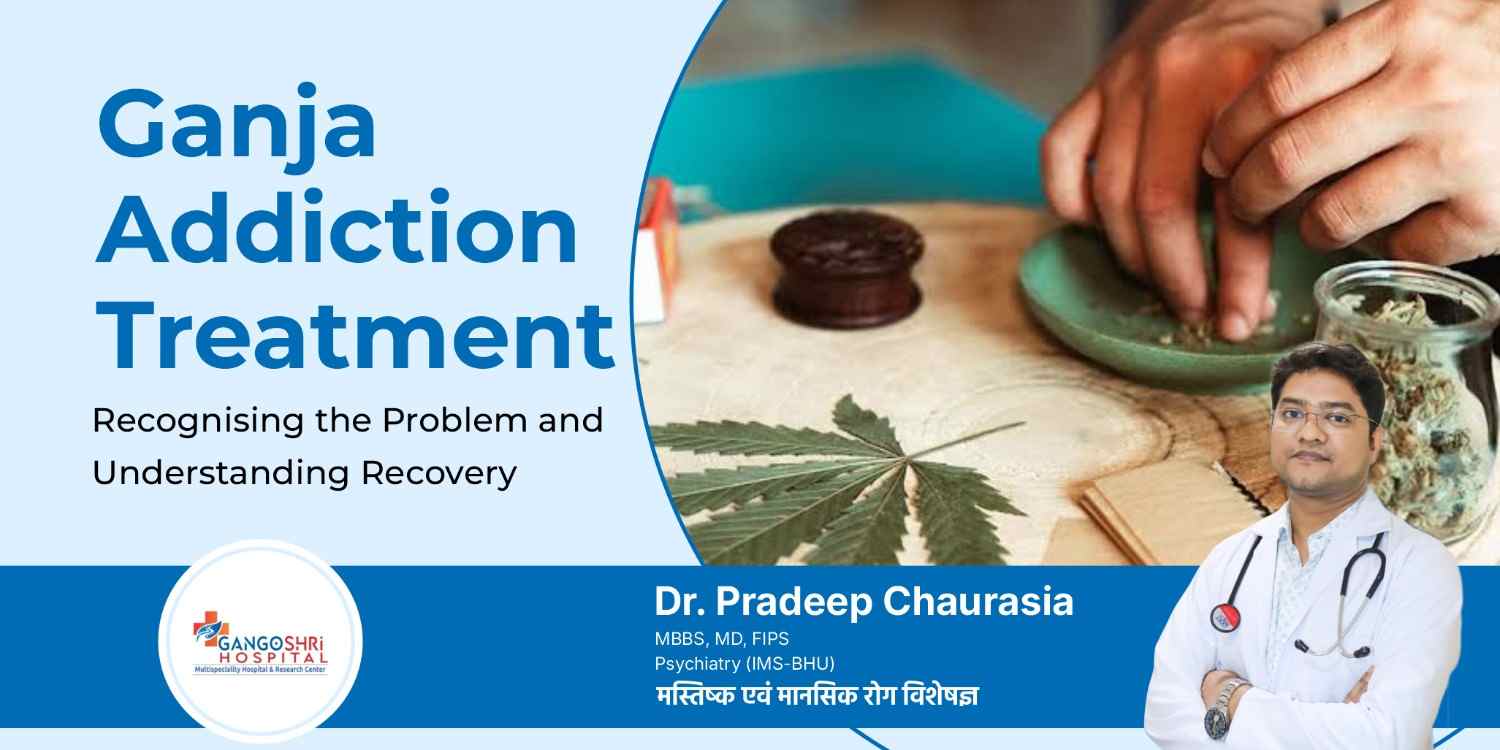
Ganja Addiction Treatment
Ganja Addiction Treatment- A person who uses ganja regularly may not always see a reason to stop. They might believe it helps them relax, sleep better or take their mind off everyday pressures. For a while, they may continue with their studies, work and social life without any obvious disruption.
The difficulty often begins when cannabis becomes something they feel they need rather than something they choose to use.
Family members may notice the change before the person does. Perhaps they have become withdrawn, lost interest in things they once enjoyed or started neglecting responsibilities. Conversations about their cannabis use may lead to arguments, denial or promises to quit that do not last.
This is where Ganja Addiction Treatment becomes relevant. Regular cannabis use can lead to dependence, and stopping may be harder than the person expects. Professional support can help them understand their relationship with the substance, manage withdrawal symptoms and work towards a life that does not revolve around its use.
The first step is recognising that the problem deserves attention, without treating the person as someone who has simply made a poor choice.
When Does Regular Ganja Use Become a Problem?
Ganja, marijuana and weed are commonly used names for cannabis. Its intoxicating effects are mainly associated with THC, a compound that affects parts of the brain involved in memory, attention, coordination and mood.
Occasional use does not automatically mean a person is addicted. The concern develops when cannabis starts taking up an increasingly important place in their life, and they find it difficult to control their consumption.
For some, the change is gradual. They begin using it on weekends, then more frequently. Eventually, they may find it difficult to relax, sleep or spend time with friends without getting high. Others may use it to deal with anxiety, boredom or personal difficulties.
Several signs deserve attention:
-
They use more cannabis than they originally intended.
-
They have tried to stop but repeatedly return to it.
-
They experience strong cravings or spend much of the day thinking about using it.
-
They lose interest in hobbies, studies or activities they previously enjoyed.
-
Their memory, concentration or performance at work begins to suffer.
-
They continue using cannabis despite arguments or concerns from family members.
-
They feel irritable, restless or uncomfortable when they cannot use it.
A person may not show all these signs. Some continue to manage their responsibilities while struggling privately with cannabis dependence. Others may become increasingly isolated or lose motivation.
It is also important to look at why the person uses ganja. If they rely on it to deal with stress, low mood or sleep problems, those concerns need attention too. Simply asking them to stop without understanding what is driving the habit may not be enough.
Ganja Addiction Treatment: Understanding What the Person Needs
One of the first questions families ask is whether the person needs counselling, medication or admission to a rehabilitation facility. There is no single answer. Treatment depends on the person’s pattern of use, mental health, physical condition and previous attempts to quit.
A psychiatric assessment helps establish what is happening. The doctor may ask how long the person has been using cannabis, how often they consume it, how much they use and whether they combine it with tobacco, alcohol or other substances.
The conversation may also cover what happens when they try to stop. Do they become anxious or irritable? Does their sleep deteriorate? Have they experienced unusual thoughts, suspiciousness or significant changes in behaviour?
These questions are not asked to embarrass the patient. They help the doctor understand the extent of the problem and identify concerns that may need separate attention.
Cannabis use can sometimes occur alongside depression, anxiety or other psychiatric conditions. In some individuals, it may also be associated with psychotic symptoms, such as hallucinations or strongly held false beliefs. These symptoms need prompt professional assessment.
There is no single test that can establish the full extent of cannabis dependence. A doctor may recommend investigations when there is a clinical reason, but the person’s history and symptoms remain important parts of the assessment.
The purpose of the first consultation is to build a clear picture of the situation. Treatment decisions can then be made on that basis, rather than relying on assumptions about how much or how often someone uses ganja.
Ganja Withdrawal Symptoms and Treatment: Why Quitting Can Feel Difficult
A person may be determined to stop using cannabis and still struggle during the first few days. This can be confusing, especially if they expected quitting to be a straightforward decision.
With frequent or prolonged use, the body and brain can adapt to the effects of cannabis. When consumption stops or drops considerably, some people experience withdrawal.
Symptoms commonly begin within 24 to 48 hours after the last use. They may become more noticeable over the next few days and often improve over one to two weeks. Sleep disturbances and cravings can sometimes last longer.
The symptoms may include:
-
Irritability, anger or sudden mood changes.
-
Anxiety and restlessness.
-
Difficulty falling asleep or staying asleep.
-
Vivid dreams.
-
Reduced appetite.
-
Headaches, sweating or stomach discomfort.
-
Low mood and difficulty concentrating.
-
A strong urge to use cannabis again.
Not everyone experiences withdrawal in the same way. The severity can depend on how frequently and how heavily the person has been using cannabis, among other factors.
This period can test a person’s decision to quit. Someone who has difficulty sleeping may convince themselves that one more use will help. Another person may become irritable and return to cannabis because they do not know how to manage the discomfort.
This is why ganja withdrawal symptoms and treatment should be discussed with a medical professional, particularly when the person has other mental health concerns or uses multiple substances.
No established medicine specifically cures cannabis withdrawal or dependence. A doctor may recommend supportive care or prescribe medication for particular symptoms when appropriate.
Severe agitation, hallucinations, confusion or thoughts of self-harm should never be dismissed as routine withdrawal. These symptoms require urgent medical attention.
Cannabis Addiction Treatment: Working Beyond the Habit
Getting through withdrawal does not necessarily mean that the person has stopped depending on cannabis. The situations that led them to use it may still be present.
Consider someone who has been smoking ganja every evening after work. That routine may have become their way of switching off from the day. When they stop, the same evening hours can feel uncomfortable or empty. A person who uses cannabis around particular friends may find it difficult to refuse when those friends continue using it.
This is where counselling becomes useful. Cannabis addiction treatment often includes behavioural support that helps people understand their triggers and make changes they can sustain.
Depending on the person’s needs, a mental health professional may use approaches such as cognitive behavioural therapy (CBT) or motivational enhancement therapy. These approaches help patients examine their habits, recognise situations that increase the urge to use cannabis and develop different ways of responding.
Counselling may also address stress, family disagreements, low mood or difficulties with motivation. These concerns should not be treated as separate from recovery if they are closely connected to the person’s cannabis use.
Medication has a limited role in marijuana addiction treatment. No universally established medicine directly cures cannabis dependence or guarantees that a person will not return to use. A psychiatrist may prescribe medication for specific symptoms or related conditions after assessing the patient.
Recovery also involves ordinary changes that can be surprisingly difficult to maintain. A regular sleep schedule, meaningful daily activities and distance from situations strongly associated with cannabis use may help. These changes do not replace professional treatment, but they can support the work being done in counselling.
Choosing a Ganja De-addiction Centre or Rehabilitation Facility
When someone has made several unsuccessful attempts to quit, their family may begin searching for a ganja de-addiction centre or ganja addiction rehab centre. Residential treatment can be appropriate in some circumstances, but it is not automatically required for every person who uses cannabis regularly.
Some individuals can be treated through outpatient psychiatric consultations and counselling. Others may need closer supervision, particularly if they have serious psychiatric symptoms, use multiple substances or are unable to manage their condition safely outside a structured setting.
Before choosing a facility, families should ask who will assess the patient, whether qualified medical professionals are available and how psychiatric concerns will be handled. It is equally important to understand what support continues after the person leaves the facility.
Be cautious of claims promising a permanent cure within a fixed number of days. Substance dependence is not resolved through a guaranteed timetable. The duration and nature of treatment depend on the individual.
A consultation with a psychiatrist can help establish whether outpatient care, supervised treatment or referral to a rehabilitation facility is appropriate.
Ganja Addiction Treatment in Varanasi: Getting a Professional Assessment
Searching for ganja addiction treatment near me is often the point at which families begin looking for practical help. They may have spent months trying to persuade someone to stop and now want to understand what medical support is available.
A psychiatrist can assess cannabis dependence, identify related mental health concerns and recommend suitable treatment or referral.
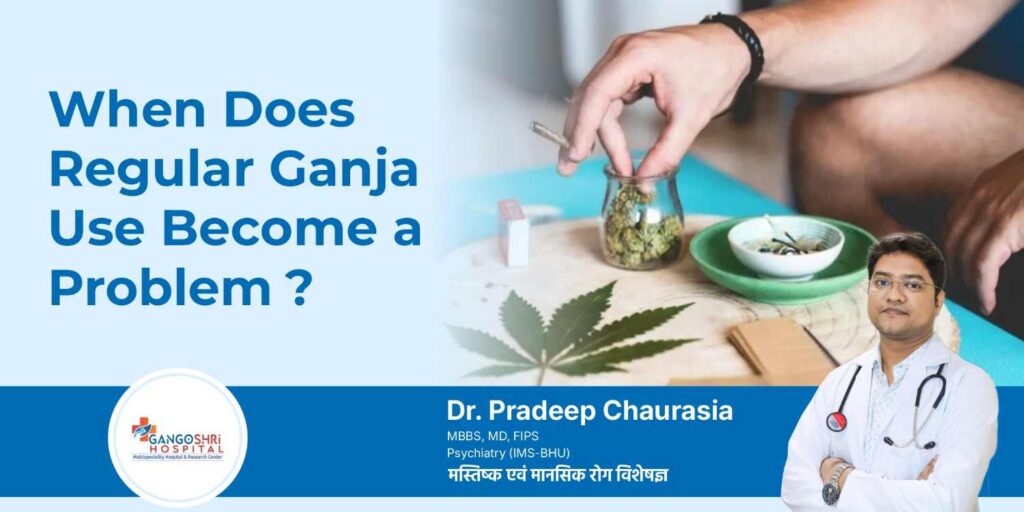
At Gangoshri Hospital, Varanasi, Dr. Pradeep Chaurasia provides psychiatric and neuropsychiatric consultation. He is a Consultant Neuropsychiatrist, Psychiatrist and Sexologist, with an MBBS and MD in Psychiatry from the Institute of Medical Sciences, Banaras Hindu University (IMS-BHU), Varanasi. De-addiction is listed among the hospital’s areas of care.
A consultation allows patients to discuss their cannabis use, previous attempts to stop and any changes in sleep, mood, memory or everyday functioning. The doctor can assess these concerns and explain what treatment may be appropriate.
For those considering ganja addiction treatment in India, it is worth checking the qualifications of the treating professional, the medical support available and the follow-up arrangements. A facility’s promises should never take the place of a proper assessment.
Families can also seek professional guidance when the person using cannabis is unwilling to attend an appointment. Understanding how to approach the conversation can help them avoid repeated confrontations and encourage the person to consider seeking help.
Frequently Asked Questions
1. Can Someone Become Dependent on Ganja Even If They Use It Only in the Evening?
Yes. The time of day does not determine whether dependence develops. Regular use, cravings, difficulty stopping and continued consumption despite negative effects are more meaningful signs.
2. How Long Does It Take to Recover from Ganja Addiction?
There is no fixed recovery period. Withdrawal symptoms often improve within a few weeks, but managing cravings, changing habits and addressing related concerns can take longer. Progress depends on the person’s circumstances and treatment needs.
3. Is It Possible to Quit Ganja Without Medication?
Yes. Counselling and behavioural therapies are recognised approaches to cannabis dependence. Medication may be considered for specific symptoms or related mental health conditions, but no established medicine directly cures cannabis addiction.
4. Does Everyone with Cannabis Dependence Need Rehabilitation?
No. Some people can receive outpatient psychiatric care and counselling. Residential treatment may be considered when closer supervision or a structured environment is needed. A doctor should assess the person before this decision is made.
5. Can Ganja Use Affect Memory and Concentration?
Cannabis can affect attention, learning and memory, particularly while a person is under its influence. The extent and duration of these effects vary with use patterns and individual factors. Discuss persistent difficulties with a doctor.
6. How Can Family Members Encourage Someone to Seek Treatment?
Choose a calm time to talk. Explain the changes you have noticed without insulting or threatening the person. Offer to help arrange a consultation, but avoid turning every conversation into an argument. Families can also seek professional guidance themselves.
Ganja dependence can gradually change a person’s routines, relationships and priorities. The difficulty is that these changes are sometimes dismissed as laziness, a phase or a lack of responsibility. A more useful response is to understand what is happening and encourage an appropriate medical assessment.
If cannabis use has become difficult to control, help is available. You can contact Gangoshri Hospital, Varanasi, to enquire about consultation availability with Dr. Pradeep Chaurasia and book a ganja addiction consultation. An open discussion with a qualified professional can help the person and their family understand the available options.