


Best Depression Treatment in India
Best Depression Treatment in India- Depression can be more than being sad or experiencing an uneasy day. It’s a very common but grave mental health issue that affects the way a person can think, feel, and perform in everyday life.
This can affect relationships, work, as well as physical health, if it is not treated. Positive news is that depression is treatable with prompt medical treatment and the proper support; the majority of people can regain control over their lives.
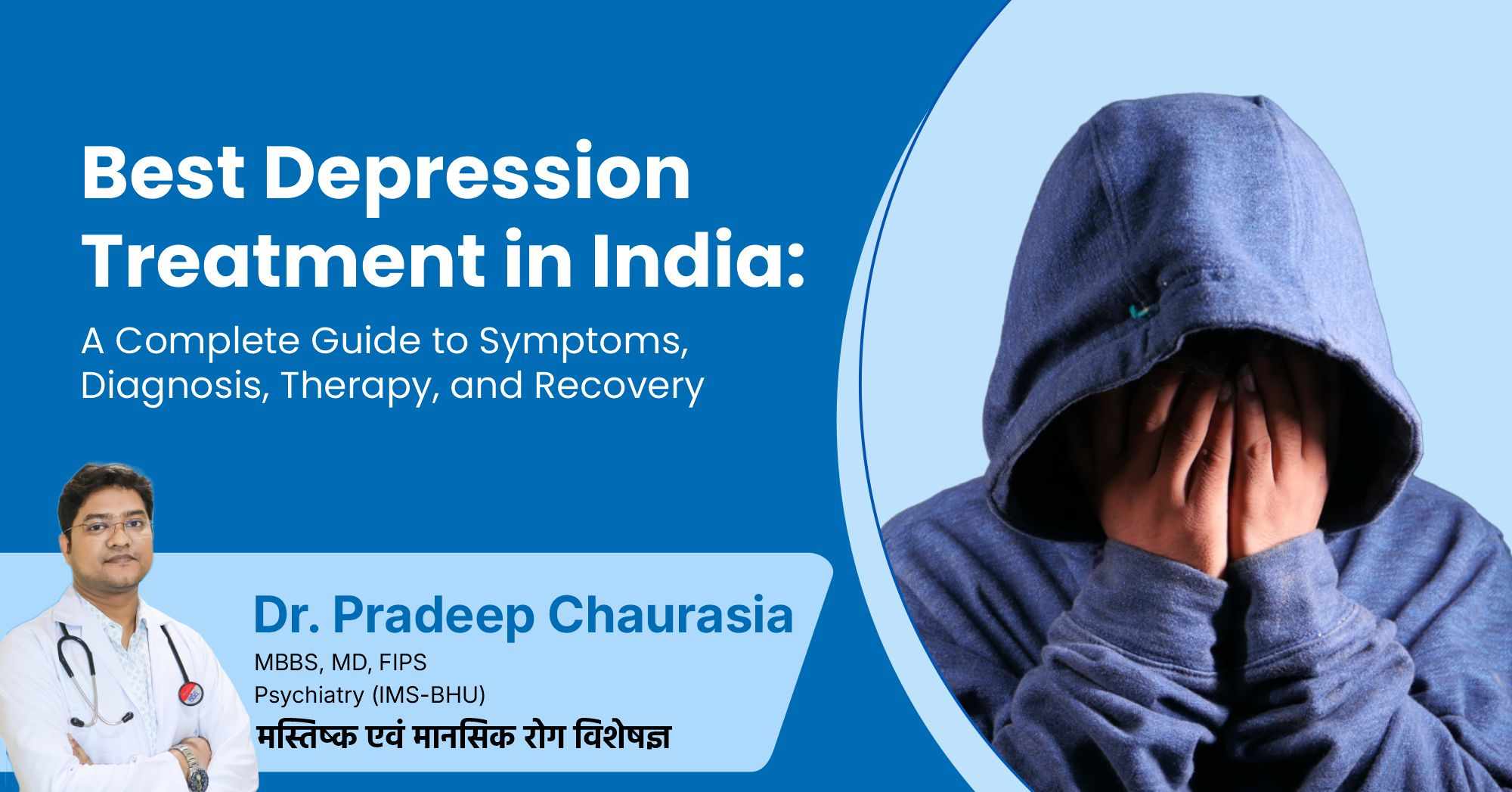
Best Depression Treatment in India: A Complete Guide to Symptoms, Diagnosis, Therapy, and Recovery
Based on the World Health Organisation (WHO), depression affects millions of people around the world and is among the main factors behind disabilities. In India, the growing understanding of mental health is causing individuals to seek medical assistance, which has made access to high-quality mental health services more essential than ever before.
If you or a person that you know suffers from constant sadness, a lack of enthusiasm, fatigue or emotional stress, recognizing that the problem is the first step towards healing. This article explains depression symptoms, Depression Causes, Depression Diagnosis Treatment alternatives, and the things to think about when seeking the best depression treatment for your needs in India.
Understanding Depression
Depression, sometimes referred to as Major Depression, also known as Major Depressive Disorder (MDD) or Clinical Depression, is a mental health condition that extends beyond occasional lows in emotional state. It can cause a persistent feeling of emptiness, sadness or desperation and usually affects daily activities.
People often believe that depression is simply an indication of mental weakness or response to stress. However, depression is the result of the combination of psychological, biological and environmental influences.
Similar to hypertension or diabetes, the diagnosis of depression must be done with care and treatment that is individualized.
Depression is a problem for people across all ages, such as teenagers, adults and even older adults. Everyone experiences emotions, mood swings and valleys. Depression is recognized when the symptoms last for at least 2 weeks before they begin to interfere with the way you live your life.
The need to seek an expert in Psychological Health Care in the early stages can dramatically enhance recovery and lower the chance of developing long-term problems.
Recognising Depression Symptoms
Depression is not alike for all. Certain people are overwhelmed with depression, whereas others experience physical exhaustion, anger, or a lack of enthusiasm. It is crucial to recognize these distinctions, as symptoms could be misinterpreted as stress or burnout.
The most common symptoms of depression are:
-
Feeling emotionally empty
-
The loss of interest in the things that used to be fun
-
A constant fatigue or inability to focus
-
Trouble focusing or making decisions
-
Increases in appetite that lead to weight gain or loss
-
Too much sleep or insomnia
-
The feeling of guilt, deprivation or hopelessness
-
An increase in frustration or irritability with minor concerns
-
Social withdrawal and staying away from relatives or friends
-
Lower productivity at work or in school
-
Unexplained physical symptoms like headaches or muscle aches
-
Thoughts that come to mind are often about suicide or death
Each person may not experience each of these signs. Certain people may experience just one or two symptoms, whereas others might experience multiple symptoms at once. It is also possible for the severity to vary from mild to serious.
A crucial aspect that is frequently overlooked is the fact that depression can affect the physical condition as well. Insomnia, chronic fatigue, and frequently experiencing headaches or unresolved pain in the body could often be related to an underlying depression, rather than being only a physical illness.
If symptoms last over a period of more than two weeks or become disruptive to everyday life, obtaining an assessment with a trained depression specialist is strongly suggested.
What Causes Depression?
It is rare to find a singular factor that causes depression. It usually occurs as a result of interactions between various emotional, biological, as well as social elements.
The understanding of what causes depression can reduce the stigma surrounding depression and help remind those suffering from depression that it is not an individual flaw; it is an illness that requires a lot of medical expertise.
Common contributing factors include:
Genetic Factors
A history of family members with depression or mental health issues can raise the risk of an individual. Although genetics do not decide if someone is likely to develop depression, they could increase the risk of a person being prone.
Brain Chemistry
Serotonin and other neurotransmitters like dopamine and norepinephrine assist in helping control mood. Unbalanced brain chemicals may be a factor in depressive symptoms.
Stressful Life Events
Major life changes can trigger depression, including:
-
The loss of a beloved one
-
Troubles with relationships or divorce
-
Financial stress
-
Loss of job
-
Academic stress
-
Caregiving obligations for the long haul
If stress persists for a prolonged period, in the absence of adequate emotional support, it could significantly impact the mental health of a person.
Medical Conditions
Certain medical conditions can increase the chance of having depression, for example:
-
Thyroid disorders
-
Diabetes
-
Chronic pain disorders
-
Cancer
-
Heart disease
-
Neurologic disorders
That’s why a thorough diagnosis of depression typically includes a comprehensive exam of the physical condition and physical health.
Hormonal Changes
The hormonal fluctuations that occur in pregnancy, following childbirth, menopausal changes or because of certain hormonal disorders can trigger depression among some people.
Substance Use
Drinking alcohol or using recreational drugs can cause or worsen depression symptoms. Most of the time, substance dependence and depression are often co-existing and require coordinated treatment.
Personality and Psychological Factors
People who have suffered from childhood emotional trauma, abuse or abandonment, or sustained emotional distress may be at increased likelihood of experiencing depression later on in their lives.
Why Early Diagnosis Matters
Some people are waiting months or several years before seeking assistance since they think that their symptoms will go away on their own. Untreated depression typically becomes more severe with time and could impact relationships, performance at work, as well as the overall quality of life.
An early depression diagnosis helps doctors determine the severity and type of depression. They can also rule out underlying medical issues and develop an individual treatment program.
Timely intervention can not only enhance recovery, but it also decreases the chance of developing problems like addiction or social isolation, as well as increasing mental illness.
Mental health specialists use systematic clinical assessments, thorough medical histories and uniform screening methods to comprehend the individual’s specific circumstances. Since depression manifests differently for everyone, there’s an individual approach to diagnosis and treatment.
At Gangoshri Hospital, Dr. Pradeep Chaurasia, a seasoned psychiatrist, concentrates on thorough psychosis, making sure that psychological, emotional and medical issues are properly taken into consideration before suggesting a treatment program.
A specialized approach ensures that patients get the best treatment that is suited to their specific requirements of their patients rather than using generic treatments.

Depression Treatment: Finding the Right Path to Recovery
Every person is affected by depression differently. This is why treatments should be individualized. Things like the degree of the symptoms, medical history, lifestyle, and even emotional health determine the best treatment strategy. The main objective of depression treatment isn’t just to ease symptoms, but to assist individuals in regaining the balance of their emotions, enhance everyday functioning and reduce the risk of further episodes.
Depression Diagnosis: The First Step Towards Healing
There’s no single test or scan of the blood which can confirm depression. A qualified psychiatrist can diagnose the disorder by conducting a thorough clinical assessment.
In the course of the evaluation, the physician discusses the patient’s physical symptoms, the duration of their effects, as well as family and medical information, their lifestyle and all recent incidents that might have led to distress in the mind. In certain situations, conventional psychological tests can be employed.
A precise depression Diagnosis will help determine the nature and severity of depression. This allows the doctor to design an individualised treatment strategy that is best suited to the individual’s requirements.
Effective Depression Treatment Options
A majority of people benefit from a mix of treatments, instead of a singular method of treatment.
Depression Therapy and Counselling
depression Therapy assists individuals in understanding their feelings, recognize bad thoughts, and learning better strategies to cope. One of the most effective methods can be the Cognitive Behavioral Therapy (CBT) and teaches clients the impact of negative thoughts on behavior and emotions, while also helping patients change their patterns to positive, balanced thought patterns.
Alongside CBT, psychotherapy for depression can provide a safe environment that allows people to address their difficulties with emotions, enhance relationships and increase their resilience.
Depression counselling can be equally beneficial for dealing with grief, stress or relationship problems, as well as various other situations in life that could cause depression.
Depression Medication
If you suffer from severe to moderate depression for severe depression, psychiatrists might suggest depression Medication along with treatment. Antidepressants regulate the brain chemicals that are associated with mood and stability.
Because every person responds differently, the medication must always be monitored and prescribed by a licensed psychiatrist. It is crucial not to stop taking medication without medical guidance, since this could raise the chance of relapse.
Anxiety and Depression Treatment
It is common for depression to occur alongside anxiety. For these cases, treatments address both disorders with psychotherapy, medication if needed, techniques for managing stress such as lifestyle adjustments, stress management techniques, and frequent follow-up visits. Combining treatment for both ailments often will result in improved long-term results.
Severe Depression Treatment
Certain individuals suffer from symptoms that significantly hinder their ability to live a normal routine. A persistent feeling of hopelessness, withdrawing from social interactions and inability to perform work or thoughts of self-harm need immediate medical attention.
Severe depression treatment could involve a high level of psychotherapy, psychiatric treatment, as well as medication and constant surveillance. Getting treatment on time improves healing and decreases the chance of complications that can last for a long time.
Choosing the Best Psychiatrist for Depression
Finding the best psychiatrist for depression is more than just checking credentials. Patients need to find an expert who is attentive to their needs, conducts an extensive evaluation, clarifies treatments in detail and continues to provide support during the process of recovery.
At Gangoshri Hospital, Dr. Pradeep Chaurasia is a psychiatrist who provides comprehensive assessment and treatment based on evidence for anxiety, depression and addiction, as well as other mental health disorders.
Pradeep Chaurasia’s patient-centered philosophy concentrates on understanding the person rather than merely treating symptoms.
Why Consult a Depression Specialist?
A certified depression specialist receives specialized training to identify difficult mental health issues and create personalised treatment strategies. They can differentiate depression from other mental disorders and monitor the progress of treatment and alter therapy as needed.
A prompt consultation can lead to a quicker diagnosis, efficient treatment and a better standard of living.
Online Depression Consultation
Access to healthcare for mental illness is now easier thanks to online depression consultation services. Patients can make appointments online to talk about their symptoms, get professional assistance, and receive monitoring care in the privacy of their home.
Although online appointments are appropriate for a wide range of people, patients who are experiencing extreme symptoms or a mental emergency should immediately seek out in-person medical assistance.
Depression Treatment Cost in India
The cost of treatment for treatment in India depends on a number of variables, including psychotherapy sessions, psychiatric consultations, prescription medications, as well as the length of the treatment.
Instead of solely focusing on the cost of treatment, patients must seek out evidence-based treatments with experienced mental health specialists, and early treatment can usually prevent serious issues that may arise later.
Depression Recovery: Progress Takes Time
The recovery process from depression is ongoing; each person’s journey will be different. Together with treatment from a professional and healthy habits, a balanced lifestyle will significantly enhance your emotional well-being. Regular physical exercise, a balanced diet, sufficient sleep, managing stress, as well as maintaining positive relationships aid in long-term recovery.
The most important thing is that patients be sure to attend follow-up appointments as well as talk to their psychiatrist in a transparent manner when symptoms begin to change.
When they combine the appropriate mix of medical treatment along with therapy, support for family members as well as self-care, the majority of patients with depression have a fulfilling and successful life.
When Should You Seek Professional Help?
If the symptoms of ongoing sadness, loss of motivation, fatigue, hopelessness or difficulties in juggling daily obligations last for longer than 2 weeks, you need to seek out professional assistance. Intervention early can improve the outcome of treatment and decrease the chance of developing complications.
At Gangoshri Hospital, individuals experiencing depression are provided with compassionate, secure and scientifically backed mental health care under the supervision of Dr. Pradeep Chaurasia. This ensures that each treatment program is specifically specific to each patient’s individual psycho-psychological and emotional demands.
Keep in mind that depression is an ailment that can be treated medically. The act of seeking help isn’t something to be taken lightly. It is the first step to the healing process, a sense of hope and long-term rehabilitation.
Frequently Asked Questions (FAQs)
1. What Are the First Indicators of Depression?
Initial signs of depression can consist of persistent sadness, lack of enthusiasm for daily things, fatigue, fluctuations in appetite or sleep or concentration issues, as well as a feeling of despair.
2. Is Depression Treatable by Medications?
Yes. Mild to moderate depression may typically be treated by counselling, psychotherapy and lifestyle adjustments, and strategies for managing stress.
3. How Long Will Treatment for Depression Require?
The time frame for treatment differs depending on the individual. Many people begin to feel more comfortable within a couple of weeks. Other patients might require a long period of regular therapy.
4. How Often Should I Visit the Psychiatrist to Treat Depression?
It is recommended to seek help from a professional when symptoms such as constant depression, anxiety, lack of interest, insomnia or feeling hopeless interfere with your day-to-day life, or last longer than 2 weeks. Early diagnosis and treatment could dramatically improve recovery.
5. Who Can Provide Treatment for Depression in Gangoshri Hospital?
At Gangoshri Hospital, depression and other mental health problems are assessed and addressed by Dr. Pradeep Chaurasia, who is a skilled psychiatrist.